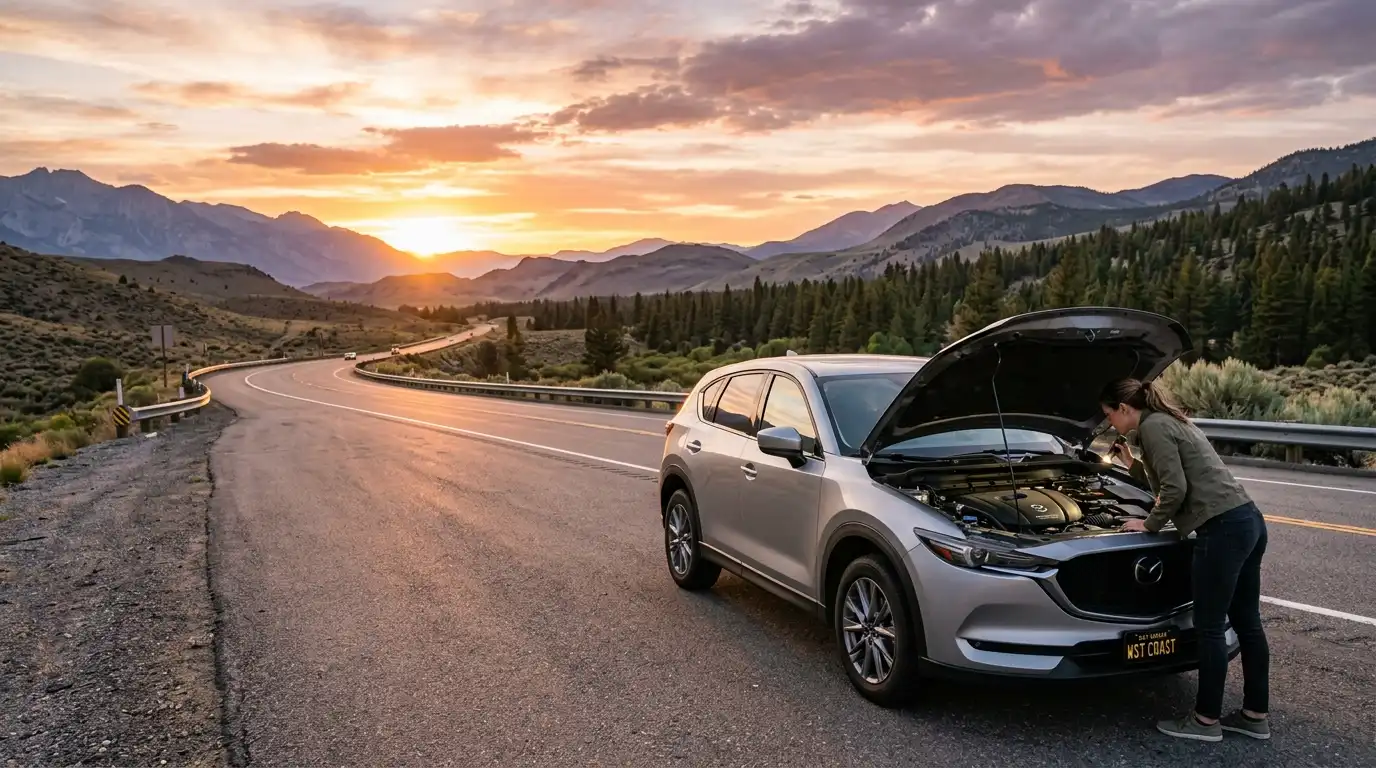
Few experiences compare to the excitement of embarking on a long-distance road trip. Whether you are driving across state lines to visit family, heading toward the coast for a weekend getaway, or exploring national parks, the open road offers unmatched freedom. However, nothing derails travel plans faster than an unexpected roadside breakdown, an overheating engine, or a flat tire in an unfamiliar area.
Performing a thorough vehicle inspection before setting off is the single best way to ensure driver safety, prevent costly emergency repairs, and maintain fuel efficiency throughout your journey. To help you prepare, we have compiled the ultimate pre-road trip car maintenance checklist covering every essential system from tires and fluids to braking components and emergency equipment.
1. Inspect Your Tires and Wheel Alignment
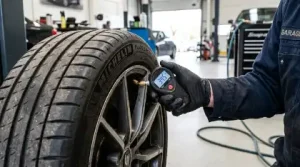
Your tires are the only point of contact between your vehicle and the road surface. High-speed highway driving increases heat build-up inside tires, making pre-trip tire checks crucial for avoiding high-speed blowouts.
- Check Cold Tire Pressure: Use a reliable tire pressure gauge to measure the pressure when the vehicle has been parked for at least three hours. Compare your readings against the recommended PSI printed on the driver’s side door jamb placard—not the maximum pressure printed on the tire sidewall.
- Inspect Tread Depth: Adequate tread depth is essential for shedding water on wet roads and preventing hydroplaning. You can perform the simple “penny test”: insert a penny upside down into the tread grooves. If you can see the top of Abraham Lincoln’s head, your tread is worn below safe limits and needs immediate replacement.
- Examine Sidewalls for Damage: Look closely for cracks, bulges, cuts, or embedded objects like nails and screws that could cause slow leaks during your drive.
- Don’t Forget the Spare Tire: Ensure your spare tire is inflated to the correct pressure, and confirm that your jack, lug wrench, and wheel lock keys are present and functional.
For detailed safety standards regarding tire tread depth and highway safety regulations, you can reference the official guidelines on NHTSA Tire Safety Guidelines.
2. Top Off Vital Vehicle Fluids
Fluids are the lifeblood of your automobile. Operating a vehicle with low or contaminated fluids during extended driving can lead to mechanical failure or catastrophic engine overheating.
Engine Oil
Check your engine oil level using the dipstick while parked on a level surface. The oil level should sit comfortably between the minimum and maximum markings. If the oil appears dark, gritty, or milky, schedule an oil and filter change before leaving.
Engine Coolant (Antifreeze)
Long highway drives generate substantial engine heat. Verify that the coolant level in the expansion tank meets the full line. Never open a radiator cap or coolant reservoir while the engine is hot.
Braking and Transmission Fluids
Inspect the brake fluid reservoir to ensure it is clean and filled to the appropriate level. Low brake fluid can indicate worn brake pads or leaks within the hydraulic lines. Additionally, check transmission fluid levels if your vehicle features an accessible dipstick.
Windshield Washer Fluid
Driving behind large trucks or through changing weather conditions often leaves road grime, bugs, and dirt on your windshield. Top off your washer fluid reservoir with a high-performance cleaning solution rather than plain water.
3. Test Your Braking System
A responsive braking system is critical when navigating unpredictable traffic or unexpected road hazards. If you notice any of the following symptoms while driving in the days leading up to your trip, have a certified mechanic inspect your brakes immediately:
- High-pitched squealing or harsh metallic grinding noises when applying pressure to the pedal.
- A soft or “spongy” brake pedal feel that requires pushing closer to the floorboard to stop.
- Vibrations or steering wheel shuddering while decelerating from high speeds.
- The vehicle pulling to one side under braking.
4. Evaluate Battery Health and Electrical Systems
Batteries often fail without warning, particularly during extreme summer heat or cold winter weather. A weak battery may start your car easily in your driveway but struggle after a long drive when restarting at a distant rest stop.
Inspect the battery terminals for corrosion, white powdery buildup, or loose cable connections. Clean the terminals using a wire brush and a baking soda solution if necessary. If your vehicle’s battery is more than three to four years old, visit a local auto parts store or service center for a free battery load test to verify its capacity.
5. Verify Exterior Lights and Wiper Blades
Clear visibility and proper communication with surrounding motorists are essential for night driving and stormy weather conditions.
- Test All Exterior Lighting: Have a friend or family member stand outside while you test the low beams, high beams, brake lights, turn signals, reverse lights, and hazard flashers. Replace any burnt-out bulbs before setting off.
- Inspect Windshield Wipers: Check the rubber wiper blades for cracks, tears, or hardening. If your wipers leave streaks across the glass or chatter against the windshield, install new wiper blades immediately.
6. Pack an Essential Roadside Emergency Kit
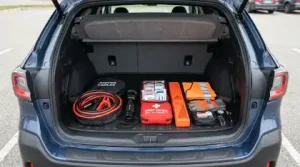
Even with thorough preparation, unexpected incidents can happen. Keeping a fully stocked roadside safety kit in your trunk provides peace of mind and prepares you for minor emergency situations.
- Safety & Visibility: Reflective safety vest, LED flashlight with extra batteries, warning triangles, or emergency flares.
- Mechanical Tools: Heavy-duty jumper cables or a portable lithium jump starter, tire pressure gauge, multi-tool, and duct tape.
- Personal Supplies: First-aid kit, non-perishable snack items, bottled water, blankets, and portable phone chargers.
Final Checklist Summary Before Hitting the Road
Before locking your front door and getting behind the wheel, run through this quick final check:
- Verify tire pressure and tread depth on all four wheels plus the spare.
- Check engine oil, coolant, brake fluid, and windshield washer fluid.
- Ensure all headlights, tail lights, and signal indicators work properly.
- Confirm your roadside emergency kit, jack, and lug wrench are secured in the trunk.
- Double-check that your vehicle registration, insurance cards, and driver’s license are current and accessible.
Taking 30 to 45 minutes to execute this pre-road trip car maintenance checklist significantly reduces the risk of unexpected breakdowns, keeps your passengers safe, and lets you focus on enjoying your journey.