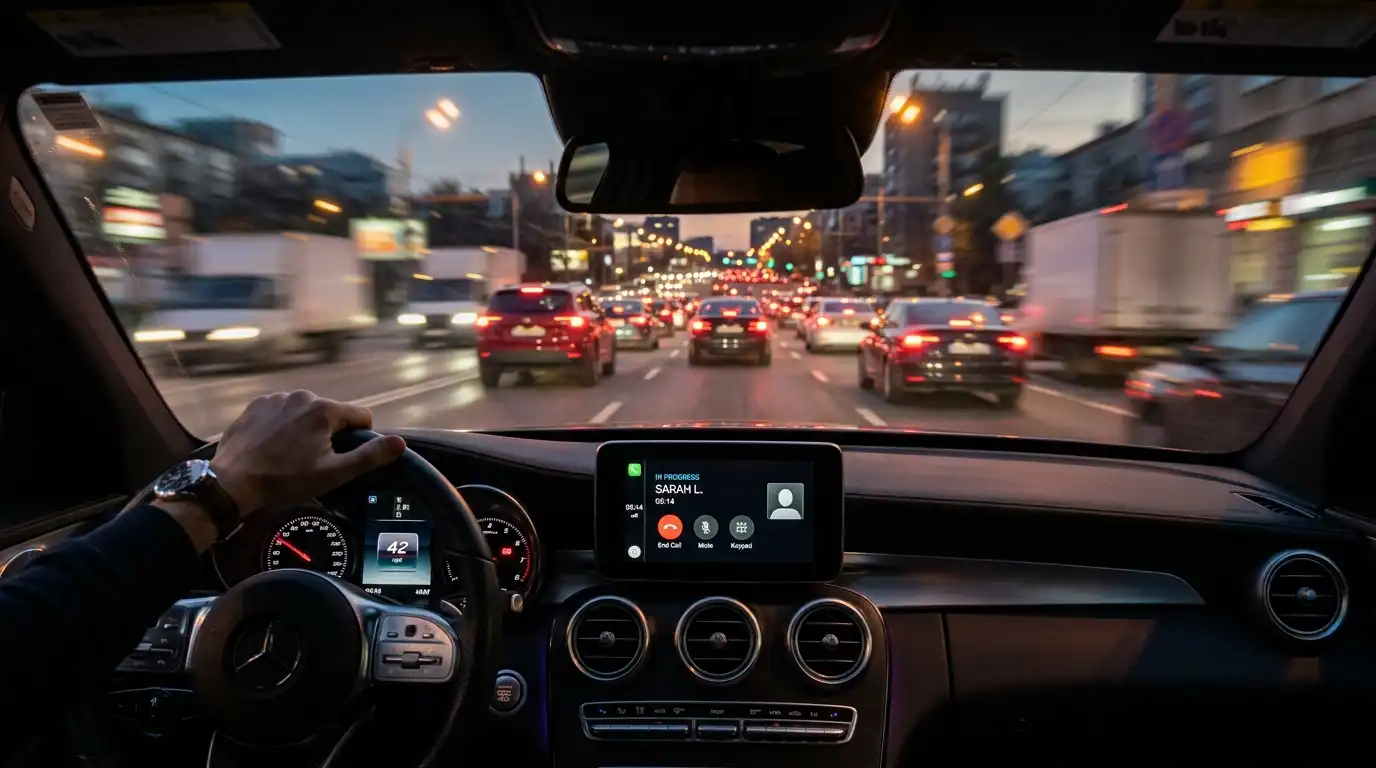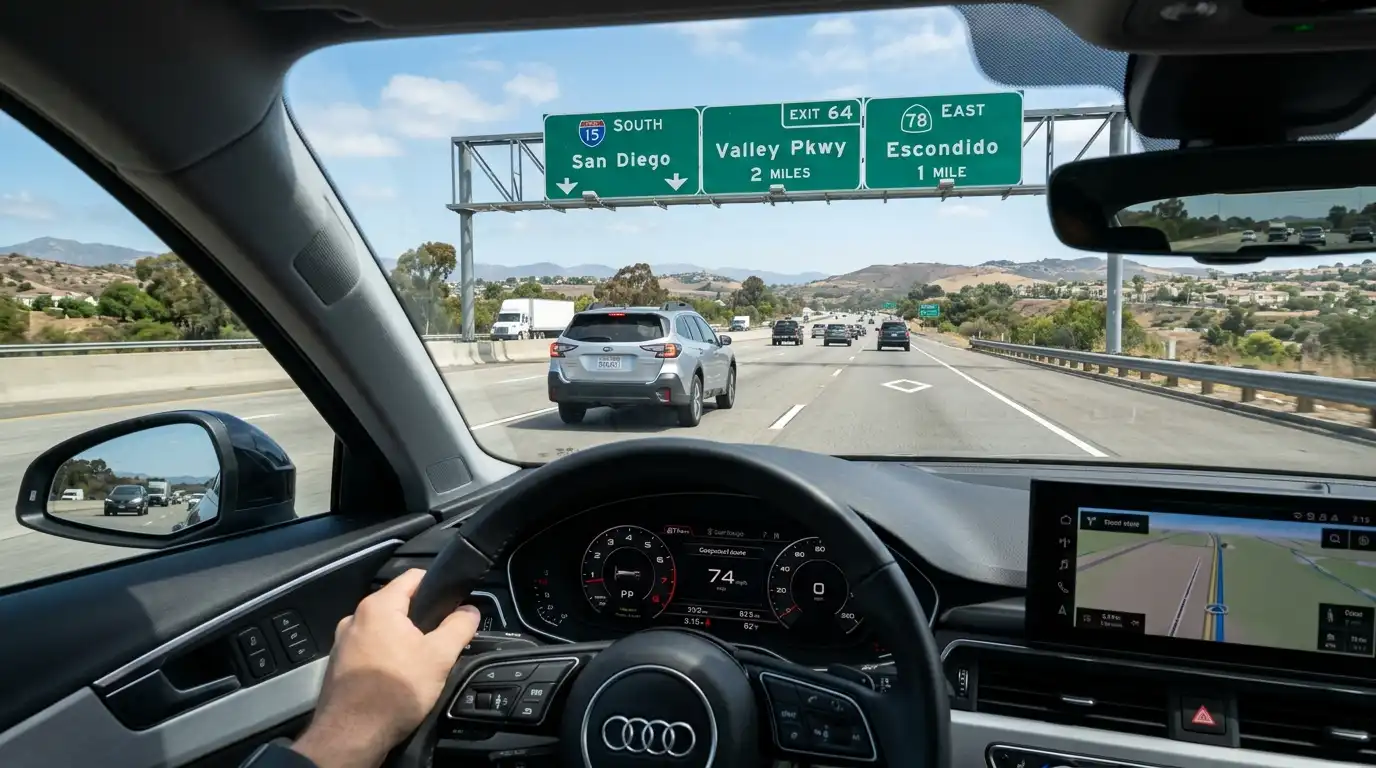
For years, safety campaigns and traffic laws have emphasized a clear message: keep your hands on the wheel and your eyes on the road. As a result, millions of drivers have switched to Bluetooth headsets, dashboard voice controls, and steering-wheel-mounted buttons, believing that eliminating physical phone handling makes driving completely safe. However, modern traffic safety research reveals a startling truth: hands-free devices do not eliminate driver distraction.
The true threat lies in cognitive distraction—specifically a physiological phenomenon known as inattention blindness. Understanding the hands free distracted driving dangers associated with cognitive load is essential for protecting yourself, your passengers, and fellow road users.
What Is Inattention Blindness?
Inattention blindness occurs when your eyes are open and looking directly at an object, but your brain fails to process or register what you are seeing. Because human mental bandwidth is limited, engaging in a complex mental task—such as participating in a phone conversation or issuing voice commands—diverts critical processing power away from the visual cortex.
When you talk on a hands-free phone while driving, your brain constantly shifts focus between processing auditory information, formulating spoken responses, and visualizing the conversation topic. As a result, your visual field narrows significantly, creating a form of “tunnel vision” behind the wheel.
The 50 Percent Visual Gap
Studies evaluating cognitive distraction show that drivers engaged in hands-free conversations miss up to 50 percent of their visual surroundings. Even though a driver’s eyes may sweep across the windshield, their brain fails to process critical road cues, including:
- Brake lights illuminating on the vehicle immediately ahead.
- Traffic signal changes at upcoming intersections.
- Pedestrians stepping off the curb into crosswalks.
- Cyclists navigating designated bike lanes or shoulder gaps.
- Speed limit updates and warning signs in construction zones.
Because the brain is occupied with internal dialogue, reaction times slow down dramatically. Research indicates that drivers using hands-free phones demonstrate reaction delays similar to motorists driving with a blood alcohol concentration at the legal limit.
For more detailed research data and safety statistics on distracted driving awareness, you can explore the official educational resources provided by the National Safety Council Distracted Driving Resources.
Hands-Free vs. Passengers: Why the Difference Matters
A common counterargument is that talking on a hands-free device is no different than conversing with a passenger in the passenger seat. While both involve speech, cognitive psychologists highlight several fundamental differences that make phone calls far more dangerous:
1. The Shared Environment Effect
A passenger sits in the same vehicle and experiences the driving environment with you. When traffic becomes dense, weather conditions deteriorate, or a sudden hazard appears, passengers naturally pause the conversation or point out potential dangers. Conversely, a caller on the other end of a phone line is completely oblivious to your driving context and continues talking continuously.
2. Mental Visualization Demands
Remote phone conversations require higher cognitive effort to interpret tone and construct imagery without the aid of facial expressions or physical body language. This extra mental workload further starves the visual cortex of processing capacity.
The Growing Hazard of Touchscreen Infotainment Systems
Modern vehicles are increasingly equipped with large dashboard touchscreens, voice-to-text messaging features, and multi-layered digital menus. While manufacturers market these systems as convenient and safe, navigating complex infotainment menus creates a dangerous combination of visual, physical, and cognitive distractions.
Scrolling through playlists, selecting navigation routes, or reading voice-dictated text confirmations diverts attention away from the driving task for several seconds at a time. At 55 mph, looking away from the road for just five seconds is equivalent to driving the entire length of a football field blindfolded.
Strategies to Eliminate Cognitive Distraction

Overcoming inattention blindness requires changing how we approach technology behind the wheel. Implementing a few proactive habits can significantly lower your risk of cognitive distraction:
- Set Up Before You Drive: Set your navigation destination, adjust climate settings, and choose your audio playlist before shifting out of park.
- Activate “Do Not Disturb” Modes: Enable automatic “Do Not Disturb While Driving” settings on your smartphone to block incoming calls, text notifications, and alerts while your vehicle is in motion.
- Pull Over for Important Calls: If you must take an urgent call or join a work conference, safely pull off the road into a parking lot before answering.
- Educate Passengers and Callers: Let friends, family, and coworkers know that you do not answer calls while driving. Encourage a culture that prioritizes road safety over instant availability.
Drive Fully Present
Hands-free technology offers convenience, but it cannot replace a fully present, focused mind. Recognizing the hands free distracted driving dangers caused by inattention blindness allows you to make safer choices behind the wheel, ensuring your mind stays fully engaged where it belongs—on the road ahead.